Study the shift
Spend time understanding how e-commerce is changing and where a focused entrant can still be useful.
A deliberate, multi-month research process shaped the business, brand and channels. The founder reports profitability in year one; the business still operates more than a decade later.

Pace Projects founder
Founder-supplied operating principle
“Research first. Then test, measure and improve.”
01 / The question
Braai Culture did not begin with products waiting to be sold. It began with a market problem. Broad e-commerce was being won by companies with more range, capital and reach.
Trying to become another store that sold everything would put a new business into direct competition with marketplaces built for that exact game. The more useful question was where specialisation could create an advantage.
Through a deliberate, multi-month research process, the founder studied underserved markets and looked for structural gaps: products that needed real guidance, customers who valued category knowledge and problems large generalists would find awkward to solve.
South African braai and fireplace retail became the starting answer. It was a well-researched position that the market still had to test.
02 / The process
Research narrowed the market. Experiments kept updating the plan.
Spend time understanding how e-commerce is changing and where a focused entrant can still be useful.
Look for a market where category depth, local knowledge and service are difficult for generalists to copy.
Make the specialist promise easy to recognise through the position, visual system and South African voice.
Keep productive activity, stop weak activity and let every result shape the next experiment.
Brand and channel choice
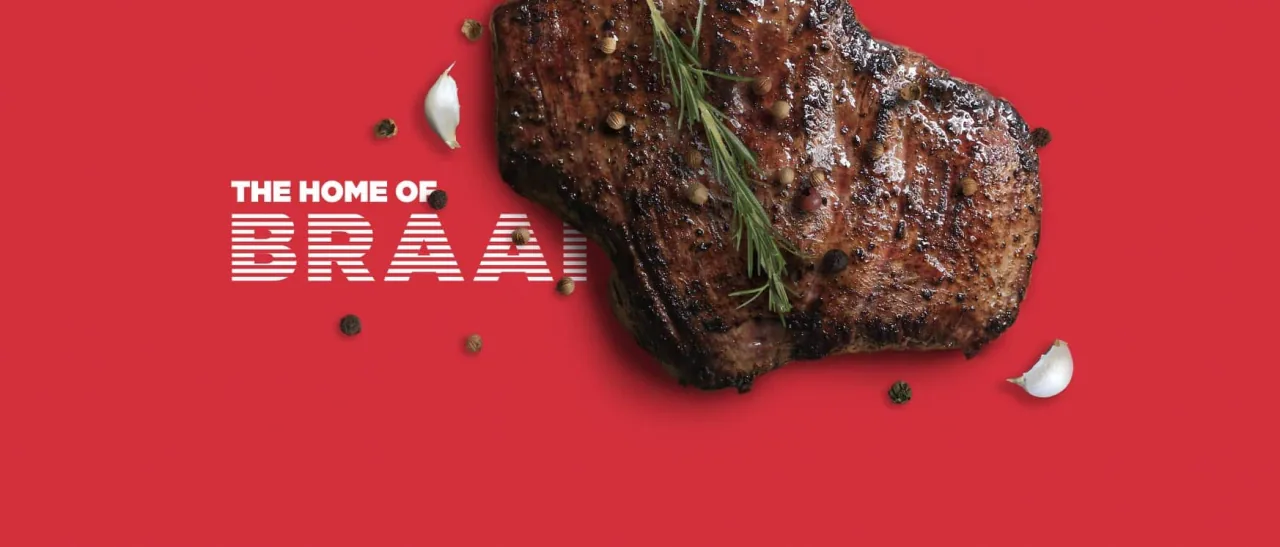
The brand made the strategy visible. A weighty red wordmark, patterned B mark, friendly professional tone and The Home of Braai identity rooted the business in South African culture.
The same focus shaped the channels. Work was concentrated where customer response was strongest. Content, search and useful relationships earned attention without requiring every future sale to be bought again.
Each result became new research. What worked produced a sharper question. What failed was left behind.
03 / What changed
Early profit mattered. The larger result is a specialist operation whose organic assets and market knowledge are still working.
First-year profitability, average year-on-year growth across the first three years, number-one keyword positions and Pace Projects’ continuing role are founder-supplied. Rankings move over time. The public history and active store support the continuing-business claim. The January–March 2026 baseline records organic search as the largest named acquisition channel; private revenue figures are not published.
04 / Built over time
The founder looked for a niche where a smaller business could create value that the biggest sellers would struggle to match.
Competitors, demand, product problems and channels were studied before the business model was chosen.
Braai Culture was built as a South African specialist with useful content, informed service and a clear identity.
Braai Culture remains active. Content, search visibility and market relationships continue to compound.
05 / What lasted
Deliberate pre-launch research found a strong place to begin. Work after launch kept asking the same question: what does the evidence say now? Useful content, customer knowledge and relationships could then compound instead of resetting with every campaign.
Pace Projects / Market, brand & organic growth
We start with the market, choose a clear position and let each result improve the next decision.
Start a conversation See all case studies